to Computational
Arts.
as compositional
ground.
Case study 01
Ciung Wanara.
Interactive audiovisual composition.
- Foundation from my PhD research.
- Inspired by Indonesian shadow puppet battle.
- Rooster avatars respond to performer gesture.
- Composing not material, but behaviour.
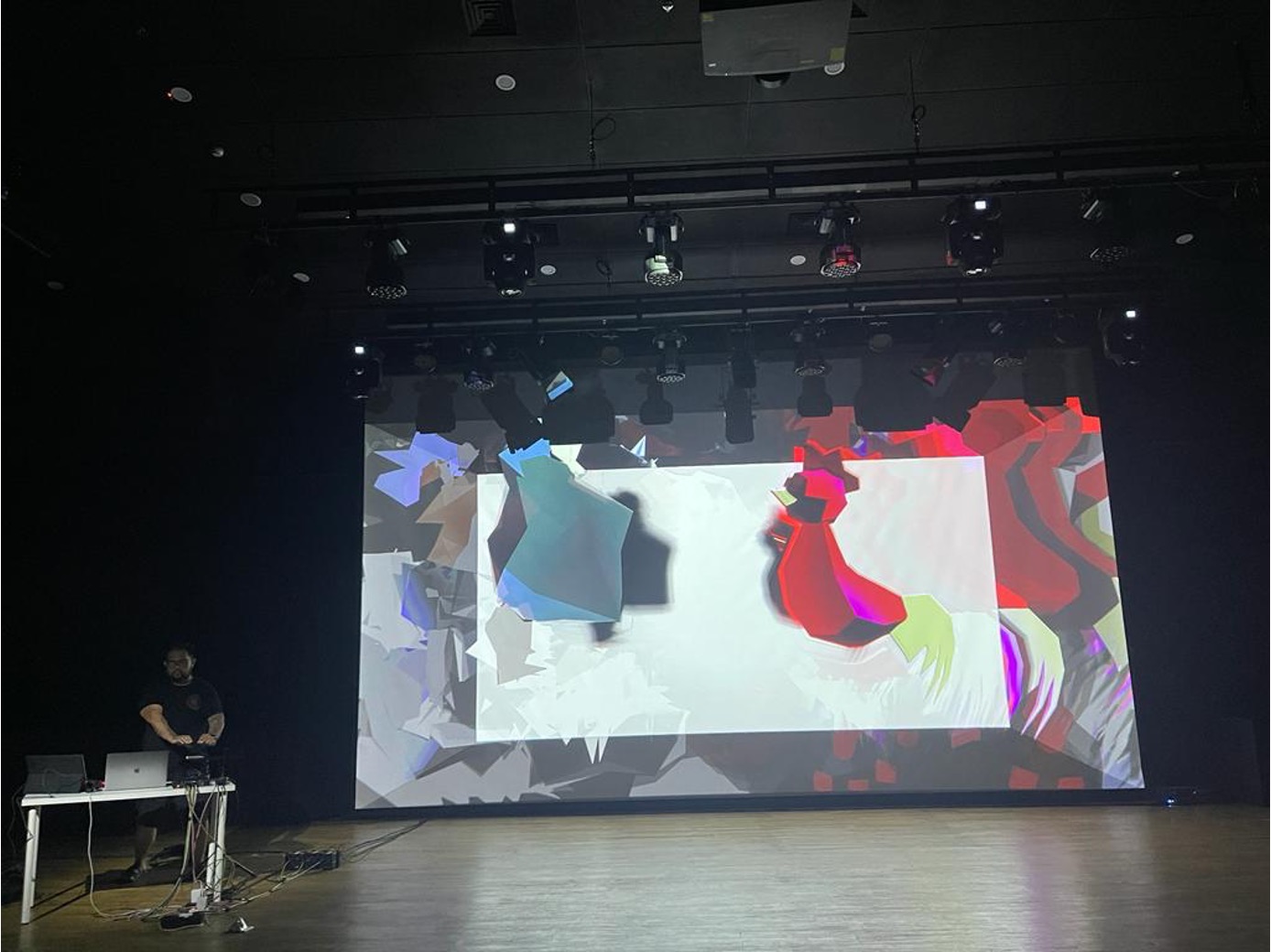
From the work
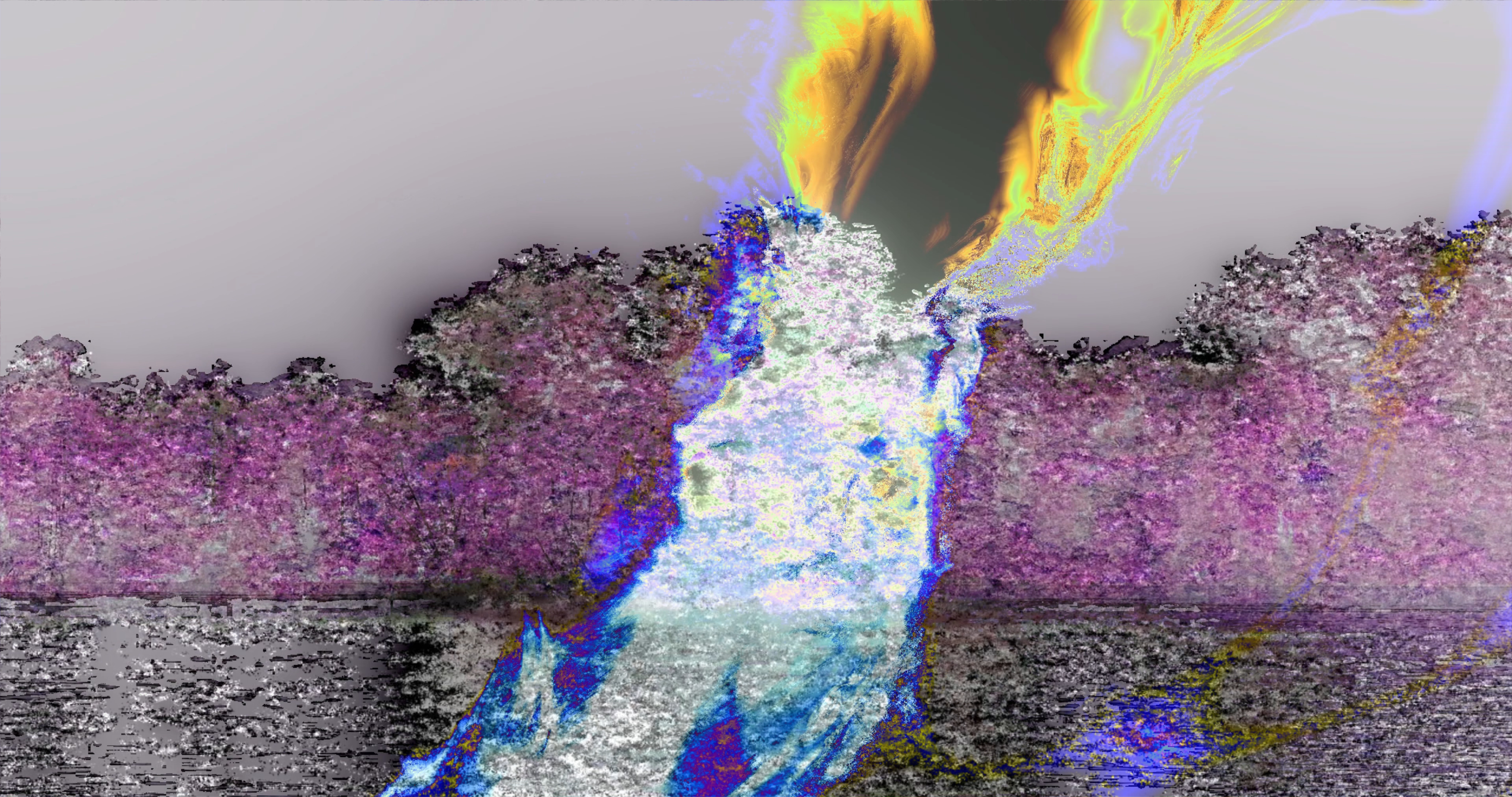
Electroacoustic listening,
visual imagination,
ecological anxiety — held together.
Case study 03
F2.
Text as a compositional agent.
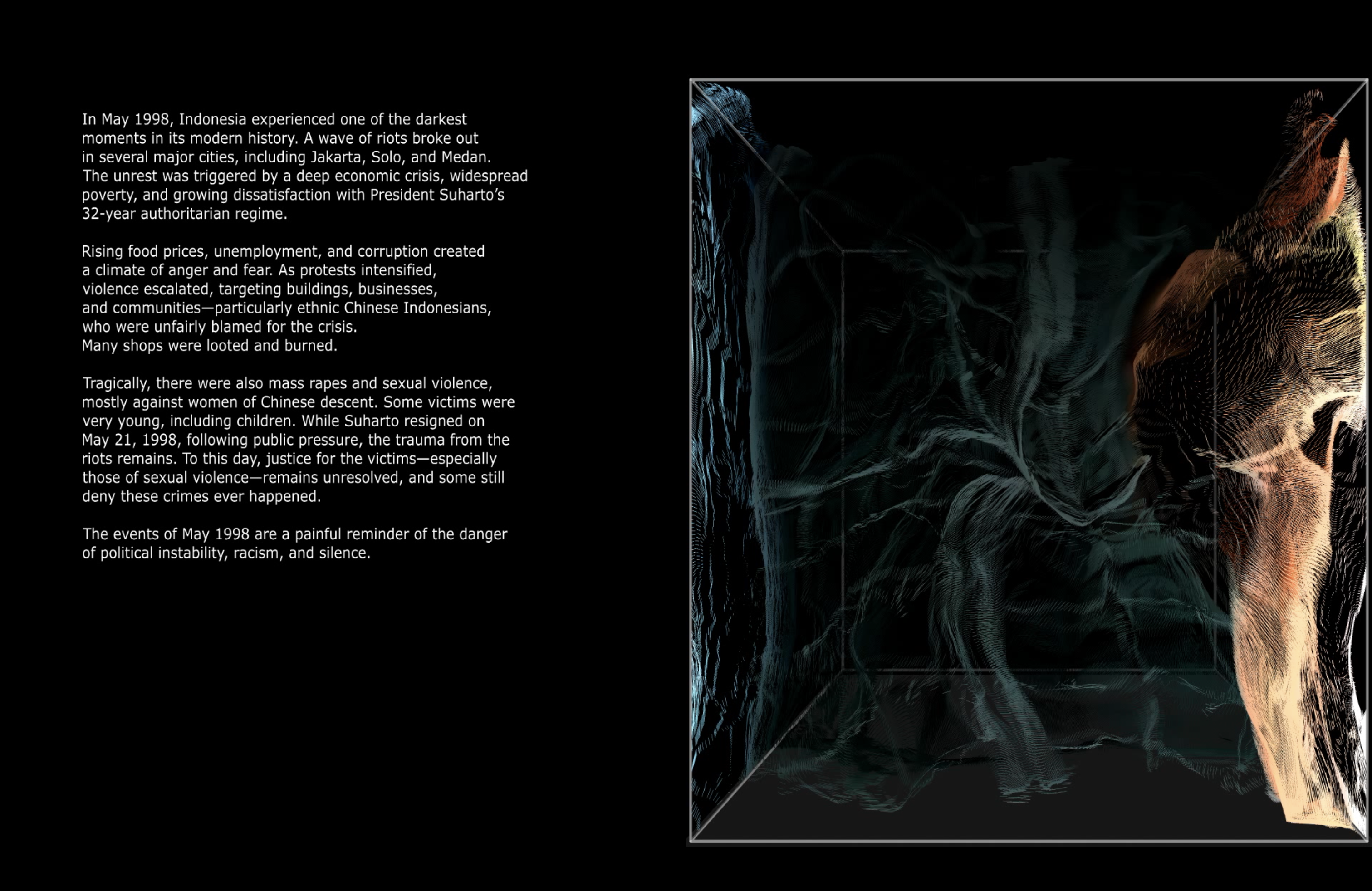
- Sound, image, and text do not need to be synchronised in the conventional sense.
- Text shapes perception, memory, narrative tension.
- Connected to my current Organised Sound manuscript.
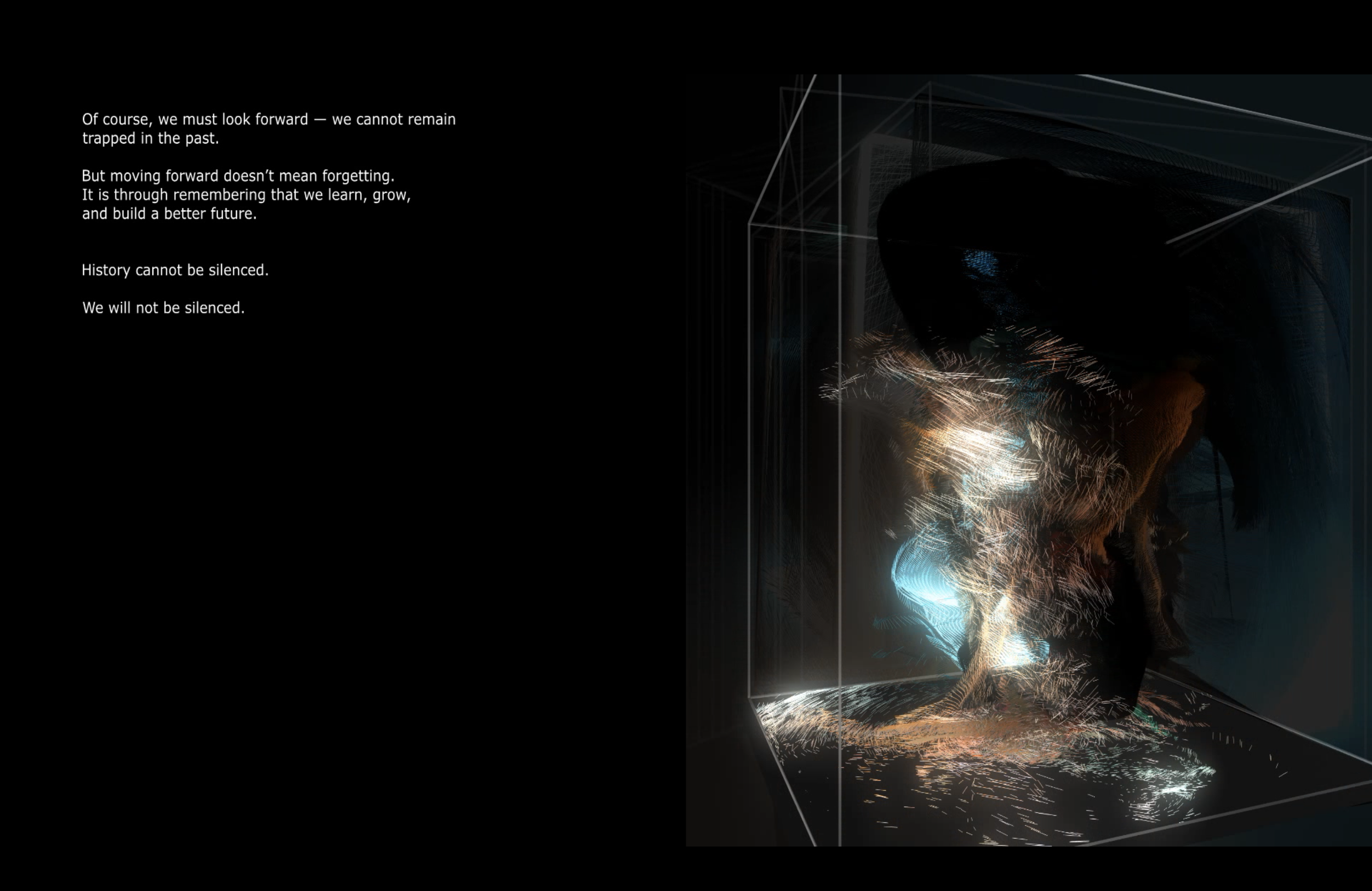
Text does not describe the audiovisual work.
It composes how the audiovisual work is perceived.
Case study 04 · with Wing Hei Cheryl Hui
Peripersonal Modular Interfaces.
Accessible Digital Musical Instruments for care ecologies.
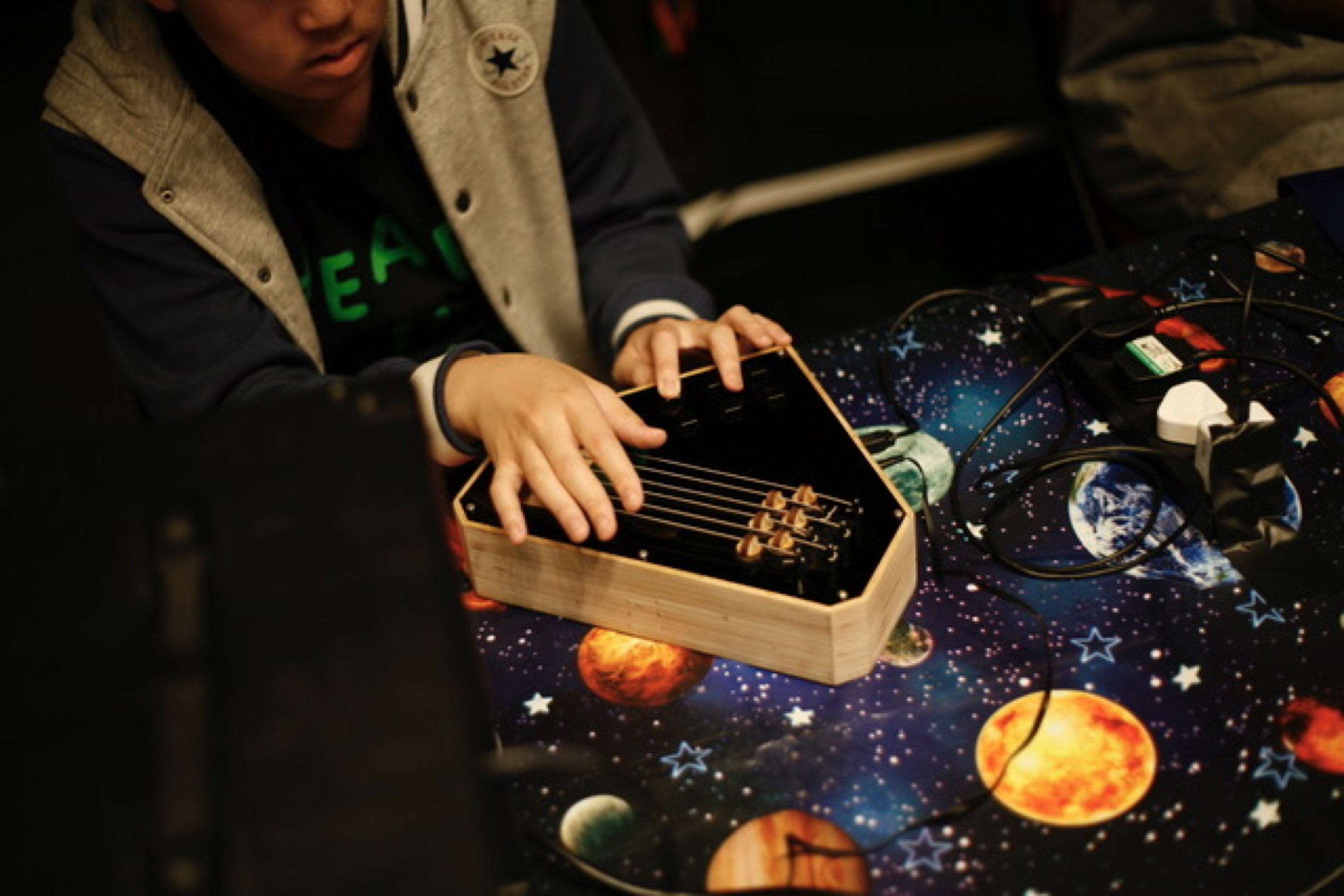
- NIME 2026 · London — paper.
- Wireless sensing tiles · TPU lattice + Hall-effect.
- Decoupled sensing from surface: tunable compliance, hygienic, robust.
- Co-designed with a London community music charity (N = 12).
One sensing tile
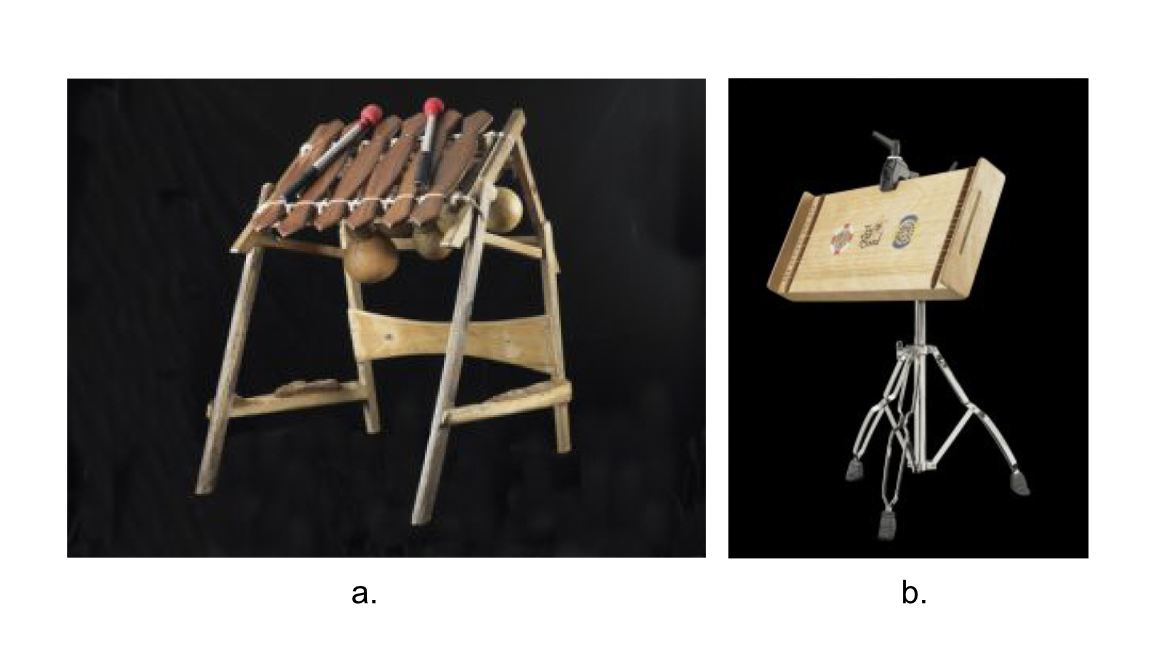
End-to-end haptic–audio latency:
≈ 7 ms average, < 12 ms max.
Each tile is an independent network node — reconfigurable across tabletops, wheelchair trays, or floors. The instrument is wherever the ensemble decides it should be.
network in
motion.
06A · with Shuang Li
Gorgon Loop.
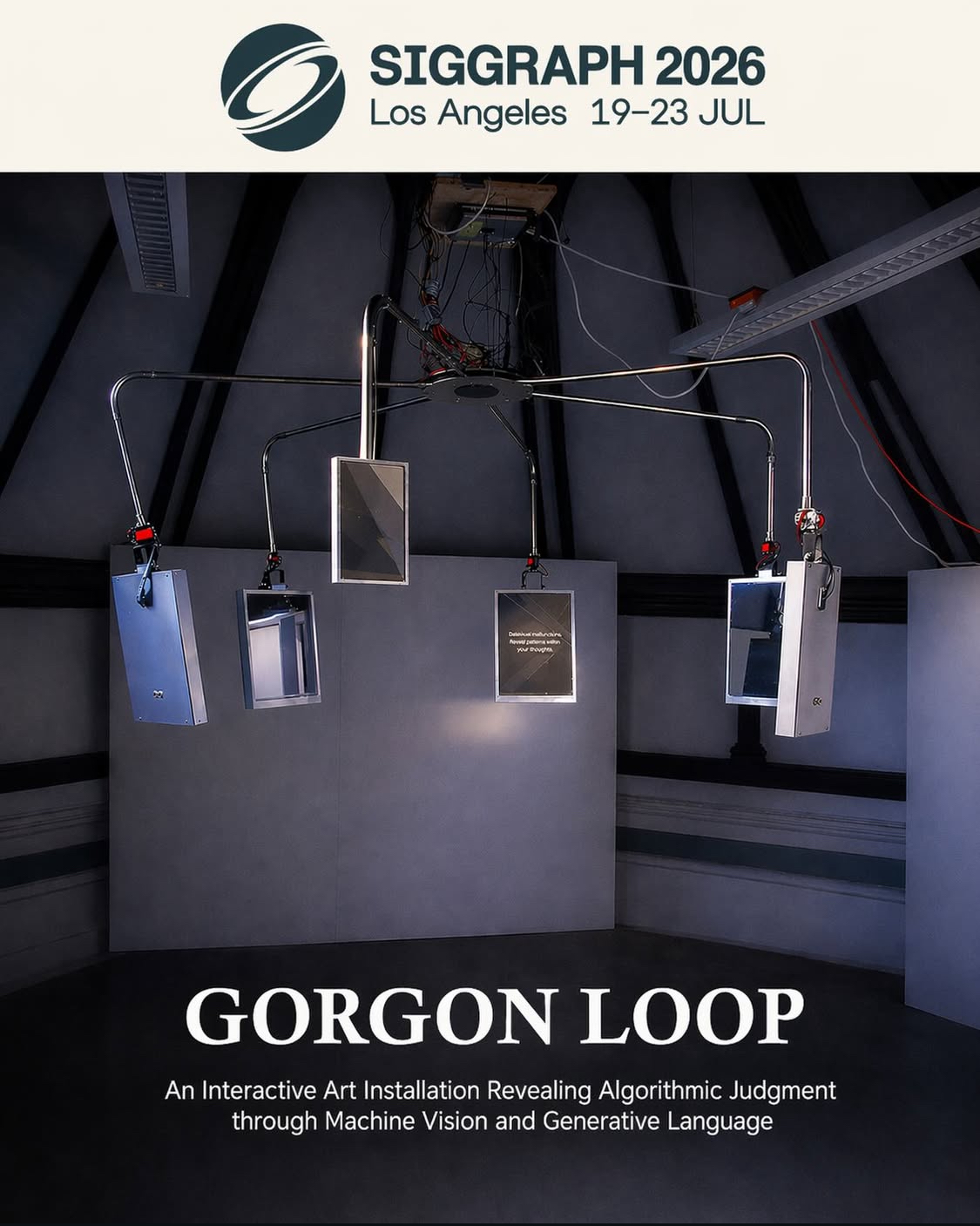
- SIGGRAPH 2026 Art Papers — camera-ready submitted.
- Algorithmic judgement & smart mirrors.
- Collective social behaviour as installation.
- Machine vision + generative language revealing how systems classify us.
06B · with Fioretta Zhang
Onycho Lab.
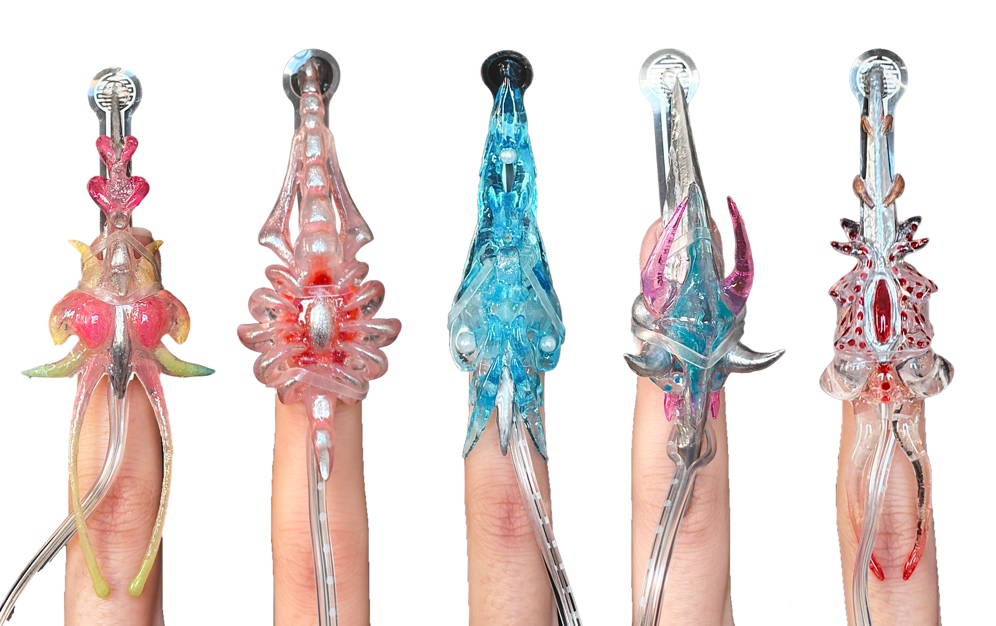
- ACM Creativity & Cognition 2026 — demo paper.
- Wearable fingertip prostheses.
- Feminist hapticism · artificial nails as bodily technology.
- Touch, ornament, and labour re-framed through a clinic-style ritual.
06C · with Federico (Fede)
Linea Viva.
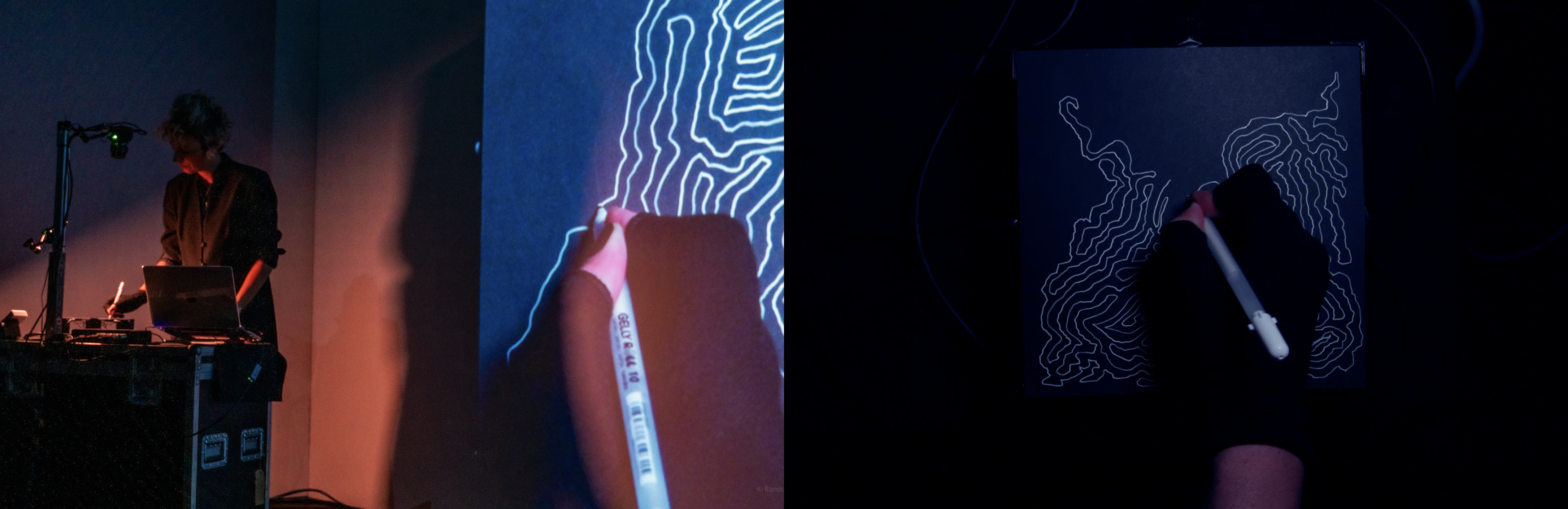
[TODO · placeholder — awaiting Fede's draft.]
06E · with Christian Berg + Bin Youn
tricity-flux.xyz.
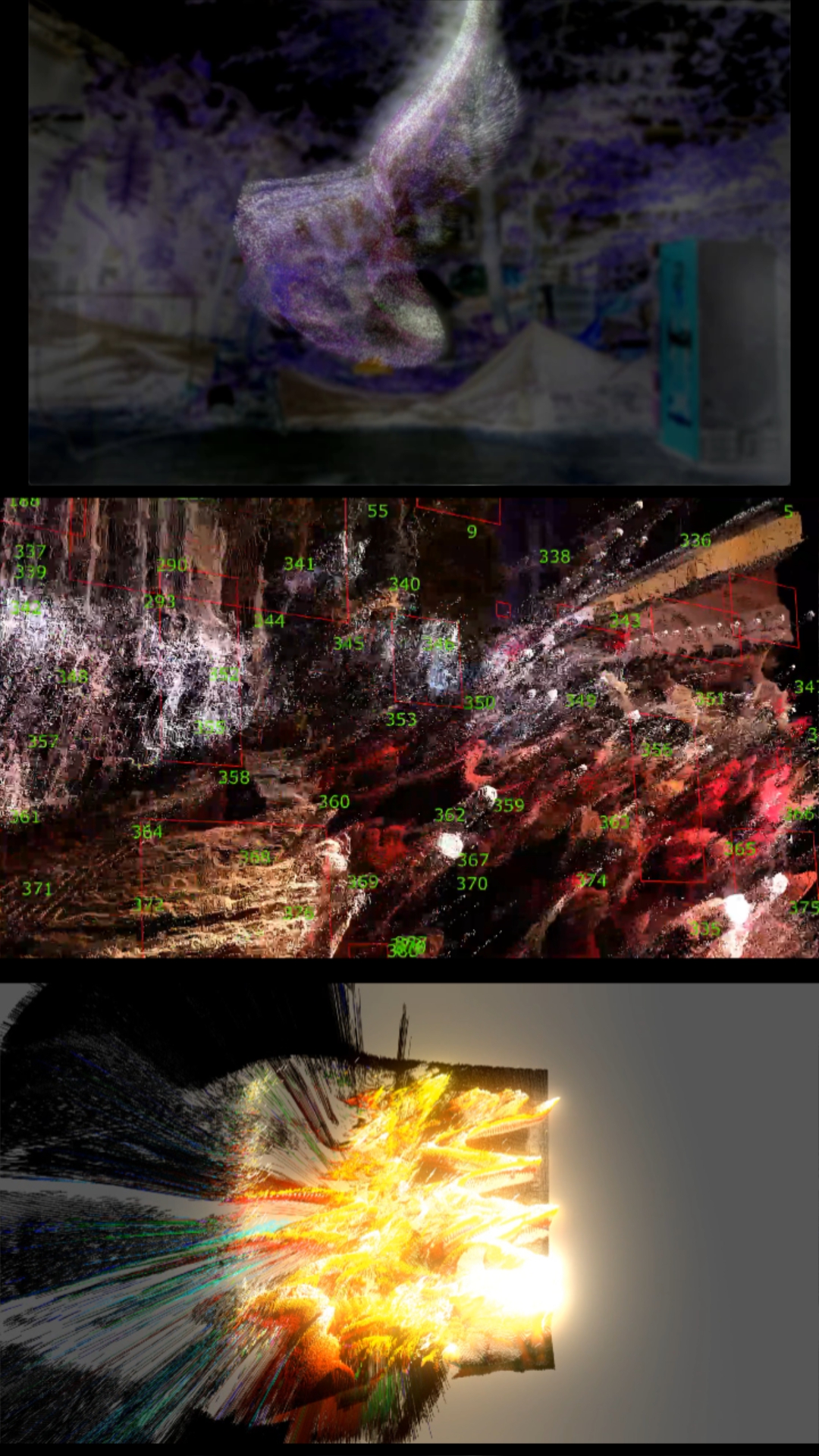
Triangulating urban change through pixel-to-particle translation: a triangular prism installation exploring Ho Chi Minh City through point cloud aesthetics and particle simulation.
06F · with Zhiqi Wang
Mycortex.
Non-human symbolic communication through art and bioelectric signals.
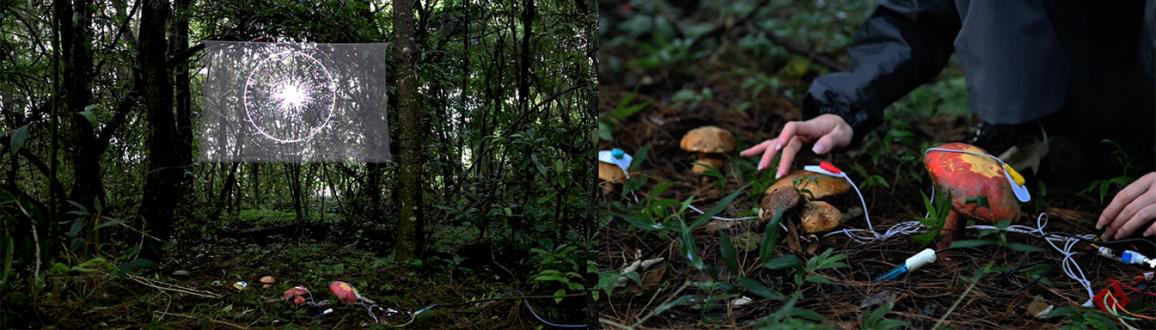
An interactive installation juxtaposing fungal electrical signals with human brainwaves — transforming both into non-narrative language and symbols. A “third space” for interspecies translation, non-anthropocentric, posthuman.
06G · open-source · MIT
TDYolo.
Real-time YOLO object detection inside TouchDesigner — no Python required.
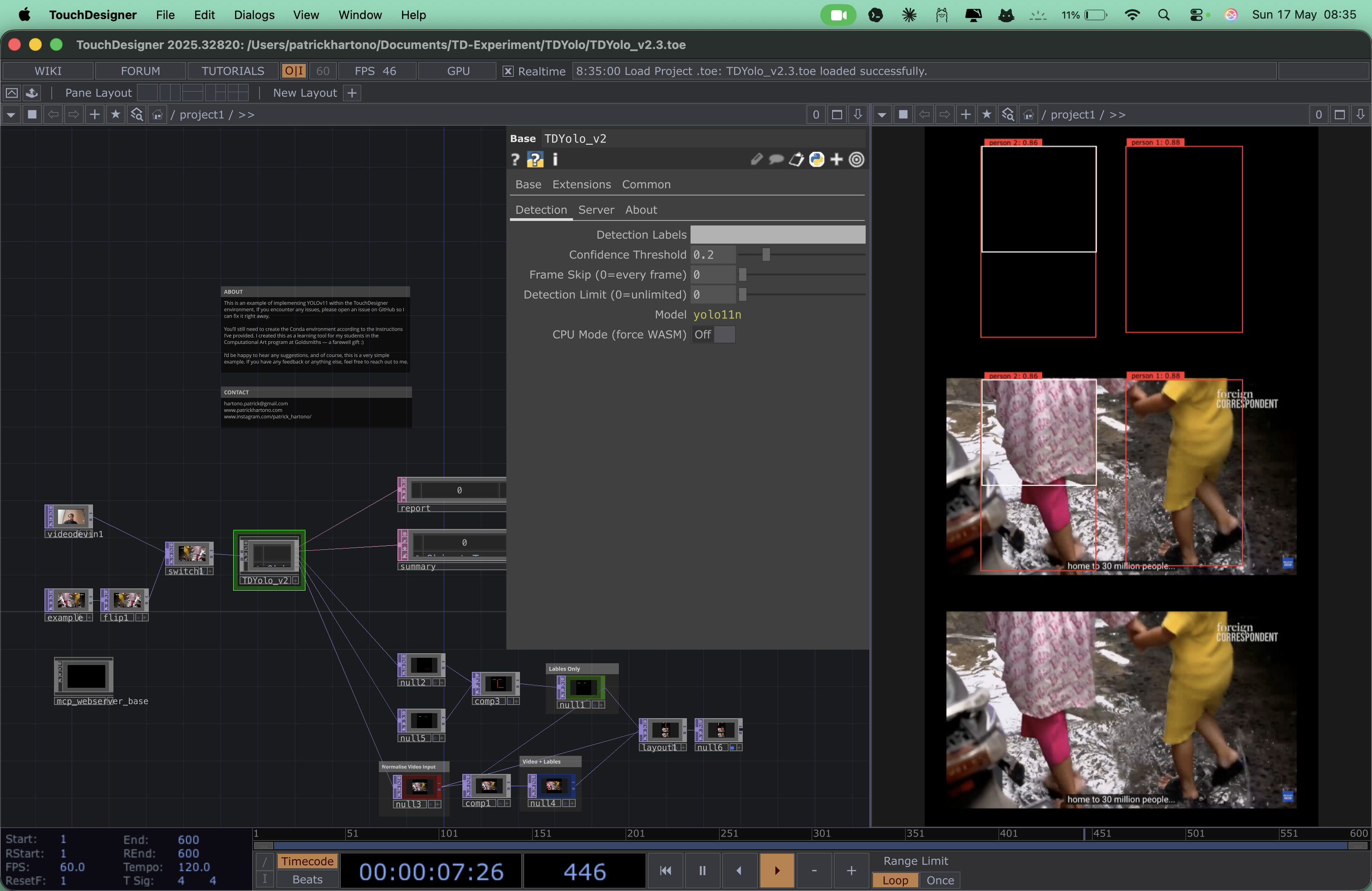
A drop-in .tox component that runs YOLOv11
inside an embedded headless browser — inference via WebGPU (WASM fallback),
zero Python environment, zero pip install. Real-time bounding
boxes and class labels flow straight into the TouchDesigner node graph.
I was
waiting for.
horizon.
we now
in Indonesia?
Now
Terima kasih.
— and now, your questions.